Importance to Choose Charcoal-Free Dhoop for Laxmi Poojan, Vastu Pujan on Diwali to increase Positivity
Laxmi Poojan performed especially during Diwali festivals, is a revered Hindu tradition that honors Goddess Laxmi, the deity of wealth, prosperity, and purity. Families clean and decorate their homes with lamps and rangoli to welcome Her divine presence, believing that a clean and vibrant space invites abundance. The ritual of Laxmi Poojan holds deep cultural importance, symbolizing the triumph of light over darkness and the blessings of financial well-being. Offerings of sweets, flowers, Charcoal free Dhoop during Laxmi Poojan and prayers express gratitude and seek guidance for ethical prosperity. At its heart, offering of Charcoal free Dhoop during Laxmi Poojan aims to align material success with spiritual values, fostering harmony, generosity, and mindful living.
Why charcoal-free dhoop is best for Laxmi Poojan:

The following reasons gives us ample idea why Charcaol free Dhoop is best for Laxmi Poojan-
- Purity and safety: All natural and herbal Dhoop such as Surbhika avoids the harsh smoke and toxins associated with charcoal-based incense, aligning with the ritual’s emphasis on cleanliness and sanctity.
- Eco-conscious choice: Charcoal-free incense is the best option during Laxmi Poojan as it support sustainable practices, which resonate with the values of reverence and responsibility.
- Gentle aroma: The fragrance of Charcoal free, herbal dhoop is soothing and non-irritating, enhancing focus during prayers and meditation.
- Symbolic clarity: Clean-burning herbal incense symbolizes clarity of intention and purity of heart which are the key aspects of invoking Laxmi’s grace.
For these reason Surbhika incense and Dhoop are the best dhoop sticks for Laxmi Poojan that burn cleanly, leaving only pure fragrance and devotion behind. The benefits of natural dhoop for the festival of lights includes calmness, focus, and an auspicious environment. Switch to healthy incense by for Diwali pooja to avoid respiratory issues and ensure safe celebrations for your family. Say no to chemicals – use chemical free dhoop by Surbhika for puja rituals to welcome Goddess Laxmi with purity. Trust charcoal free dhoop – crafted for eco-conscious devotees seeking authenticity. Also natural dhoop sticks by Surbhika connects you with tradition while avoiding harmful chemicals found in synthetic incenses.
Do you know how herbal dhoop is beneficial for offerings in Laxmi Poojan?

Surbhika herbal dhoop sticks are crafted with natural resins, herbs, and flowers, enhancing positivity and divine blessings. In Laxmi Poojan, herbal dhoop plays a sacred and sensory role, enhancing both the spiritual ambiance and the purity of the ritual. Made from natural ingredients like guggal, herbs, and cow-derived elements or Gau –panchgavya products, herbal dhoop is believed to purify the environment, dispel negative energies, and invite auspicious vibrations that align with Goddess Laxmi’s presence. Its earthy aroma evokes a sense of serenity and devotion, helping devotees focus their intentions and prayers. Unlike synthetic incense, herbal dhoop is charcoal-free and eco-conscious, resonating with the sattvic values of cleanliness and reverence. When offered during Laxmi Poojan, it symbolizes the devotee’s commitment to purity, prosperity, and spiritual well-being, creating a fragrant bridge between the material and the divine.
What are disadvantages of using Non-charcoal free dhoop for Laxmi poojan?

Non-charcoal-free dhoop infused with synthetic chemicals can disrupt the sanctity and spiritual essence of Laxmi Poojan. These dhoops often release toxic fumes—such as carbon monoxide, formaldehyde, and artificial fragrances—that pollute the air and may cause respiratory discomfort, headaches, or allergic reactions, especially in enclosed pooja spaces. From a ritualistic perspective, such impurities are considered tamasic, diminishing the sattvic purity essential for invoking Goddess Laxmi’s blessings. The harsh, artificial scent can overpower the natural ambiance, making the environment feel heavy rather than serene. Moreover, the use of charcoal and chemicals contradicts the values of eco-consciousness and reverence for life that are central to many Vedic traditions, potentially weakening the spiritual efficacy of the offering.
You May also like these articles on Diwali Festivals…
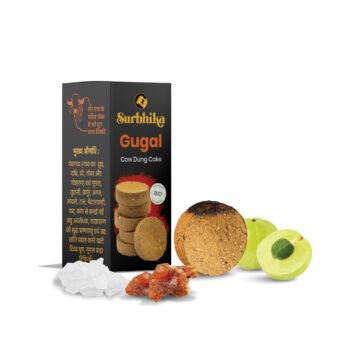
 Gugal Dhoop Chhana Tikki ₹75.00
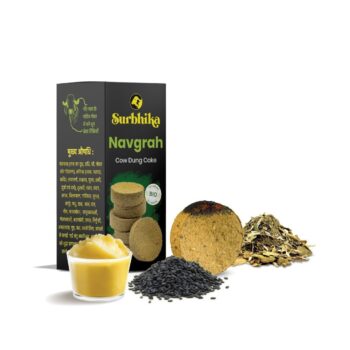
- Navgrah Dhoop Chhana Tikki ₹75.00
- Sacred Pyramid Triangle Dhoop ₹245.00