Introduction - Cultural wisdom of herbal smoking rituals that fosters health and environmental harmony
Across centuries, cultures nurtured the wisdom of crafting herbal smoke not merely as ritual but as medicine and ecology in harmony. In India, Dhum Chikitsa used camphor, ghee, and healing herbs to cleanse the body and strengthen immunity, while temple incense and festival fires purified the atmosphere. Similar traditions worldwide—from Aboriginal eucalyptus smoke to Native American sacred pipes—saw smoke as a bridge between spirit, health, and environment. These practices reveal a profound understanding: that fragrant vapors could disinfect air, soothe minds, and bind communities. Herbal smoke was thus cultural science—safeguarding health while fostering environmental balance and collective renewal.
Smoking ceremonies are ancient practices found across cultures worldwide, often rooted in spirituality, healing, and community bonding. Unlike recreational smoking, these rituals typically involve burning herbs, plants, or resins to produce smoke believed to carry symbolic, medicinal, or purifying properties.
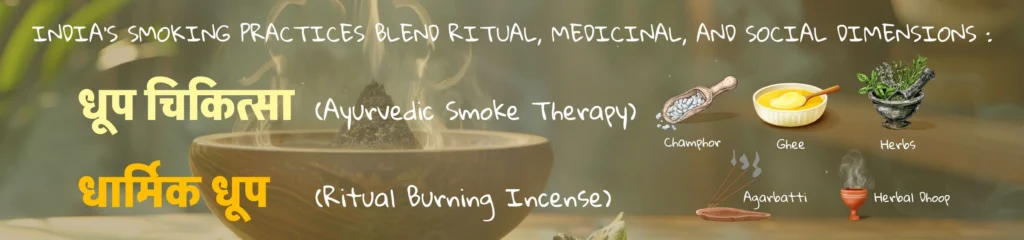
India’s smoking practices blend ritual, medicinal, and social dimensions:
- Dhum Chikitsa (Ayurvedic Smoke Therapy): Ancient Ayurvedic texts describe the inhalation of herbal smoke for cleansing the body, treating respiratory ailments, and balancing doshas. Camphor, ghee, and medicinal herbs were commonly used.
- Ritual Incense & Camphor Burning: While not always inhaled directly, the smoke of dhoop, agarbatti, and camphor in temples and homes is believed to purify the environment, invoke deities, and strengthen spiritual energy. This overlaps with Ayurvedic smoke therapy in its cleansing symbolism.
What does smoking Therapy Signify?

- Purification: Smoke is seen as a cleansing force (Australia, India).
- Spiritual Connection: Used to communicate with deities or spirits (Native Americans, India).
- Community Bonding: Shared smoking rituals foster social ties (Middle East, India).
- Healing: Herbal smoke often carries medicinal significance (Ayurveda, Aboriginal traditions).
How does Holika dahan connote to herbal smoking Ritual of Healing?
Holika Dahan, the sacred bonfire lit on the eve of Holi, is more than a mythic reminder of the triumph of good over evil—it is also a profound act of seasonal healing through smoke. Traditionally, communities burn cow dung cakes, camphor, neem, and other herbs, creating a fragrant smoke that purifies the air, wards off pathogens, and balances the body’s energies as winter gives way to spring. In Ayurvedic thought, this ritual echoes Dhum Chikitsa, the practice of herbal smoke therapy, where inhalation and exposure to medicinal vapors strengthen immunity and cleanse the respiratory system. Beyond physical health, the fire symbolizes the burning away of negativity, fostering emotional renewal and social connection as families gather around its warmth. On an ecological level, Holika Dahan acts as a natural disinfectant, reducing airborne microbes and refreshing the environment. Thus, it is simultaneously a ritual of healing, connecting, and environmental cleansing.
Holika Dahan, the ritual bonfire on the eve of Holi, is not only symbolic of the triumph of good over evil but also deeply connected to Ayurvedic smoke therapy (Dhum Chikitsa) and seasonal healing practices. It is a seasonal Ayurvedic intervention disguised as a festival, where fire and herbal smoke cleanse, protect, and renew both body and spirit.
Ritual & Symbolism
- The fire represents Agni, the divine purifier and messenger between humans and the gods.
- Communities gather around the flame to invoke protection, renewal, and inner cleansing.
- It marks the transition from winter to spring—a time when immunity is vulnerable and purification is culturally emphasized.
Herbal Smoke & Healing
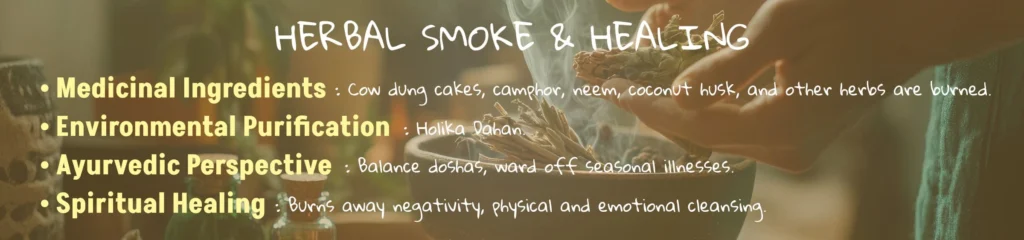
- Medicinal Ingredients: Traditionally, cow dung cakes, camphor, neem, coconut husk, and other herbs are burned. These are not random but chosen for their antibacterial and germicidal properties.
- Environmental Purification: Studies show that smoke from Holika Dahan reduces airborne bacterial populations by over 95% within an hour, acting as a natural disinfectant.
- Ayurvedic Perspective: The smoke is believed to balance doshas, ward off seasonal illnesses like colds and fevers, and rejuvenate the body during climatic shifts.
- Spiritual Healing: Fire is seen as a force that burns away negativity, offering both physical and emotional cleansing.
What do Smoking rituals teach us?
Smoking ceremonies across cultures embody profound lessons in simplicity, sustainability and mindfulness. At their heart, they rely on humble, natural materials—herbs, woods, resins—chosen not for extravagance but for their healing and purifying essence. This simplicity reflects a wisdom that health and harmony need not be complex. Sustainability is woven into the ritual, as communities use locally available, biodegradable substances that enrich rather than harm the environment. Mindfulness arises in the slow, intentional act of tending the fire, inhaling the fragrance, and sharing the moment collectively. These ceremonies teach us to live lightly, honor nature’s gifts, and cultivate presence in every breath of herbal smoke.
Benefits of herbal smoke during Smoking Rituals
Herbal smoke during traditional smoking ceremony rituals carries layered benefits for health, spirit, and environment. The burning of natural substances—such as neem, camphor, cow dung cakes, resins, or aromatic woods—releases vapors with antibacterial and purifying properties, helping cleanse the air and reduce seasonal pathogens. In Ayurvedic thought, this smoke balances doshas, strengthens immunity, and supports respiratory wellness, especially during climatic transitions. Spiritually, the fragrant smoke is seen as a medium of prayer and renewal, fostering mindfulness and emotional release. Environmentally, these rituals embody sustainability, using biodegradable, locally sourced materials that harmonize with nature while refreshing communal spaces.
How is Holika dahan as Nature based Smoking tradition that takes care of environment?
Holika Dahan is a nature-based smoking ritual that embodies environmental cleansing and renewal. On the eve of Holi, communities gather to light bonfires made of cow dung cakes, dried wood, neem leaves, and other natural materials. As these burn, they release herbal smoke with antibacterial and purifying properties, believed to disinfect the air and reduce seasonal pathogens. Rooted in Ayurvedic wisdom, the ritual aligns with Dhum Chikitsa, where herbal vapors strengthen immunity and balance energies. Beyond health, Holika Dahan symbolizes harmony with nature—using biodegradable, locally sourced elements to cleanse the environment while fostering collective healing and spiritual connection.
 Gugal Dhoop Chhana Tikki ₹75.00
- Guggal Sambrani Dhoop Cup ₹165.00
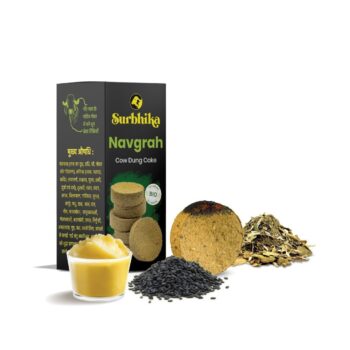
- Navgrah Dhoop Chhana Tikki ₹75.00
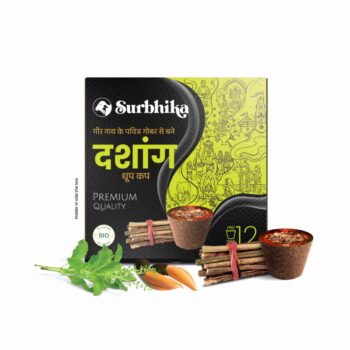
- Dashang Sambrani Dhoop Cup ₹165.00
- Kapur Sambrani Dhoop Cup ₹165.00
- Sacred Pyramid Triangle Dhoop ₹245.00