Effect of polluted air on human health in Ayurveda
Ayurveda views polluted air as a serious disruptor of health, classifying it under the concept of Janapadodhwamsa—a collective affliction caused by environmental imbalance.
In Ayurvedic scripture, air pollution disturbs the equilibrium of the Doshas (especially Vata and Pitta), weakens Ojas (vital immunity), and obstructs the Pranavaha Srotas—the channels responsible for respiration and life force. This leads to respiratory disorders, allergies, fatigue, and mental unrest. Polluted air is seen not just as a physical toxin but as a disturbance in the natural harmony between humans and their environment. Ayurveda emphasizes preventive care through detoxification (Panchakarma), herbal support (like Tulsi, Haridra, Camphor, Panchgavya and Shirish), and practices such as Pranayama and Dincharya (daily routine) to fortify the body’s resilience against airborne impurities. Now the question is how can solve indoor air quality issues, naturally ?
How Daily Yajna Practices And Rituals Help To Purify Polluted Air

Yajna, the Vedic fire ritual, is believed in Ayurveda to purify polluted air through a synergistic blend of heat, herbal fumigation, and subtle energy transformation.
When specific medicinal woods, herbs, ghee, and resins are offered into the sacred fire, they undergo combustion and release volatile compounds with antimicrobial, antiseptic, and aromatic properties. These vapours—rich in phytochemicals like phenols and terpenes—are said to neutralize airborne pathogens, reduce particulate matter, and enhance atmospheric oxygen levels. The heat of the fire also facilitates upward air currents, aiding dispersion and ventilation. Beyond physical purification, yajna is thought to harmonize the Pranic field of the environment, restoring balance to the elemental energies (Pancha Mahabhutas: The five basic elements: earth (Prithvi), water (Jala), fire (Agni), air (Vayu), and space or ether (Aakash). and calming disturbed Vata and Rajas influences. Thus, yajna is revered not only as a spiritual offering but as a holistic environmental therapy that aligns nature, body, and consciousness.

Does burning Surbhika herbal dhoop and incense equivalent to mini Yajna performance that air in purification of air in residential spaces?
Yes, burning herbal dhoop and incense can be considered a simplified or “mini” yajna in terms of air purification and energetic cleansing within residential spaces.
In Ayurvedic and Vedic traditions, both Yajna and Dhoopan (herbal fumigation) are rooted in the principle of Agni Samskara (specific method of fire)—transformation through fire. While a full yajna involves elaborate rituals, mantras, and sacred fire offerings, burning Surbhika dhoop or incense made from Ayurvedic herbs like guggul, sambrani and camphor mimics its core function: cleansing the air, neutralizing microbes, and uplifting the energetic field. Studies and traditional texts suggest that the smoke from these substances carries antimicrobial, antifungal, and aromatic compounds that reduce indoor pollutants and pathogens. Moreover, the act of lighting incense with intention—especially during Sandhya or daily rituals—invokes a subtle spiritual resonance akin to yajna, promoting mental clarity and emotional balance. While not identical in scope or sanctity, herbal dhoop serves as a practical, accessible extension of yajna’s purificatory essence in everyday life.

How Polluted air with high AQI dangerous according to modern environmentalists?
Polluted air with a high Air Quality Index (AQI) poses a serious threat to human health and can be fatal, especially for vulnerable populations such as children, the elderly, and those with respiratory or cardiovascular conditions. When AQI levels rise due to elevated concentrations of pollutants like particulate matter (PM2.5 and PM10), nitrogen dioxide, and ozone, the risk of breathing difficulties, heart attacks, strokes, and even premature death increases significantly. Prolonged exposure to such toxic air can lead to chronic illnesses, reduce lung function, and trigger acute health emergencies. In extreme cases, especially during pollution episodes or industrial accidents, dangerously high AQI levels can overwhelm the body’s defences, leading to life-threatening consequences.
What are natural measures to overcome poor Air Qualtiy of apartments, residential spaces and indoor spaces?
- To naturally reduce the harmful effects of poor air quality, one can adopt a combination of dietary, lifestyle, and environmental strategies.
- Consuming antioxidant-rich foods such as citrus fruits, leafy greens, nuts, and seeds helps combat inflammation and oxidative stress caused by air pollutants.
- Nutrients like vitamin C, vitamin E, omega-3 fatty acids, and zinc play a crucial role in protecting lung tissue and boosting immunity.
- Staying hydrated is essential, as it helps flush toxins and keeps respiratory passages moist.
- Maintaining indoor air quality by using HEPA filters, keeping windows closed during high AQI days, and incorporating air-purifying plants like snake plants and peace lilies can also make a significant difference.
- Practicing nasal hygiene through saline rinses and avoiding outdoor exercise during peak pollution hours further reduces exposure.
Additionally, wearing N95 masks when outdoors and monitoring AQI levels regularly allows for informed decisions about daily activities.
Can burning Natural and herbal Surbhika Dhoop also improve the air quality of residential spaces?
Surbhika Natural dhoop, such as Ghee, Pure Bhimseni Karpooram, Guggal etc has been used in traditional Indian households for centuries to cleanse the air and promote wellness. These herbal incense release aromatic smoke that contains antimicrobial properties, which may help reduce airborne bacteria and improve the perceived freshness of indoor spaces. The soothing scent also contributes to mental relaxation and spiritual ambiance, making it popular during meditation or rituals.
In summary, Surbhika Incense (herbal dhoop ) can complement your indoor air care routine, but it should be used alongside ventilation, air purifiers, and other clean-air practices for truly effective air quality management.
 Gugal Dhoop Chhana Tikki ₹75.00
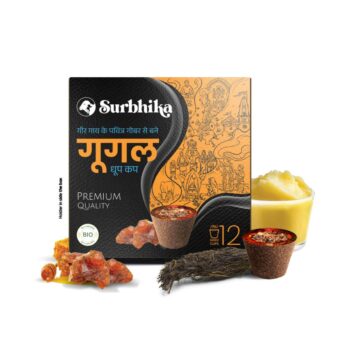
- Guggal Sambrani Dhoop Cup ₹165.00
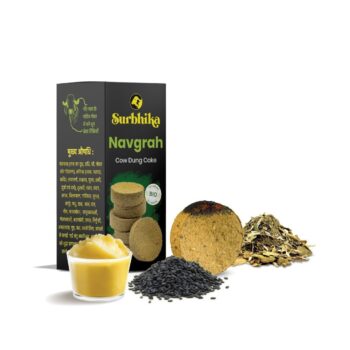
- Navgrah Dhoop Chhana Tikki ₹75.00
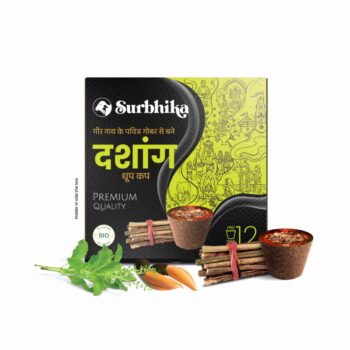
- Dashang Sambrani Dhoop Cup ₹165.00
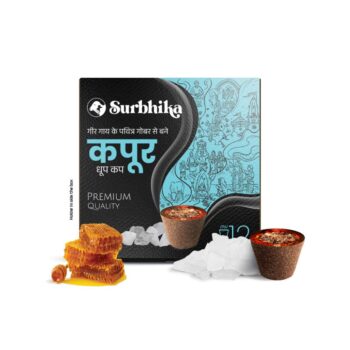
- Kapur Sambrani Dhoop Cup ₹165.00
- Sacred Pyramid Triangle Dhoop ₹245.00