Celebrate Hanuman Jayanti 2026: The Fragrance of Faith by Surbhika
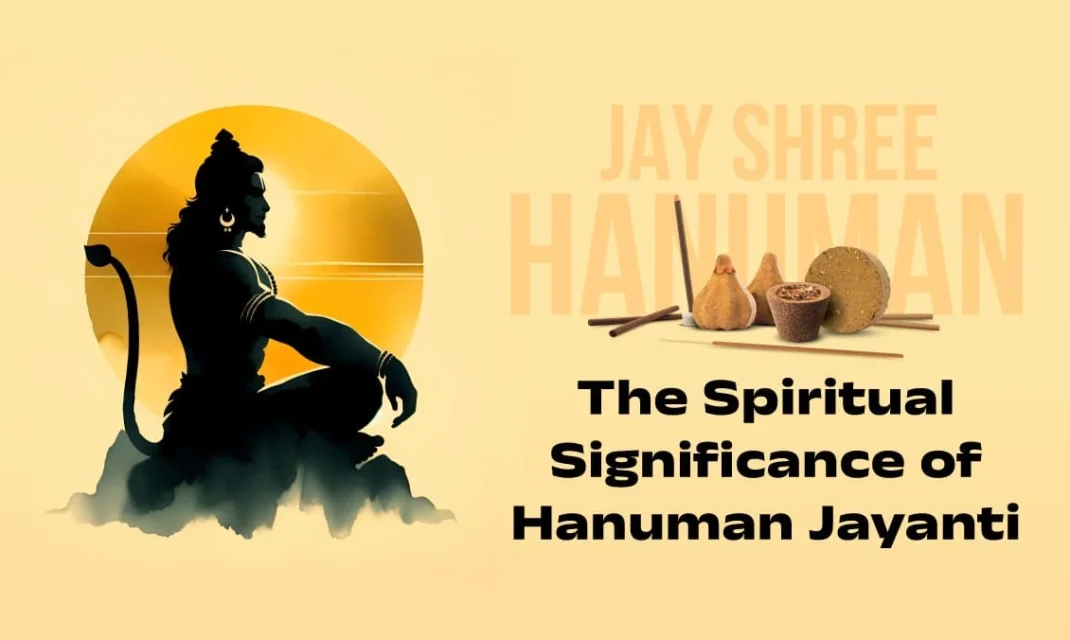
Hanuman Jayanti 2026, the celebration of Lord Hanuman’s birth, is steeped in devotion, ritual, and fragrance & The Fragrance of Faith by Surbhika Incense plays a vital role in this festival, as its rising smoke is seen as both an offering and a purifier—carrying prayers upward while sanctifying the space. The burning of dhoop and agarbatti during Hanuman Jayanti rituals creates an atmosphere of reverence, symbolizing surrender and the cleansing of negative energies. Just as Hanuman embodies strength, humility, and unwavering devotion, the fragrance of incense becomes a sensory reminder of these virtues, enveloping devotees in an aura of spiritual focus and sacred connection.
Historical Context Of Dhoop, Agarbatti, And Camphor In Indian Traditions Like Hanuman Jayanti
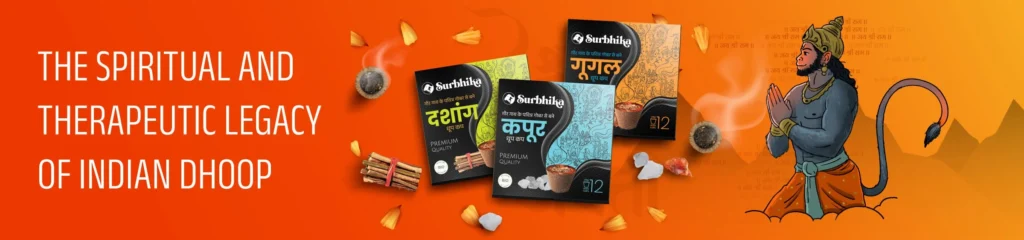
Dhoop, agarbatti, and camphor have been central to Indian ritual life for thousands of years, serving as both spiritual offerings and therapeutic agents. Their historical use spans Vedic fire rituals, Ayurvedic healing practices, and temple worship, symbolizing purification, devotion, and ecological balance.
- Dhoop (Natural Resin-Based Incense)
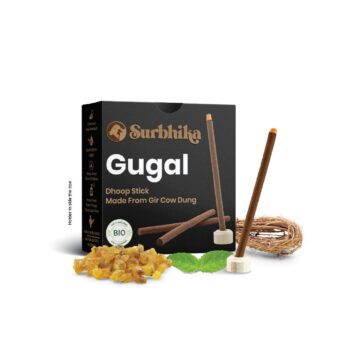
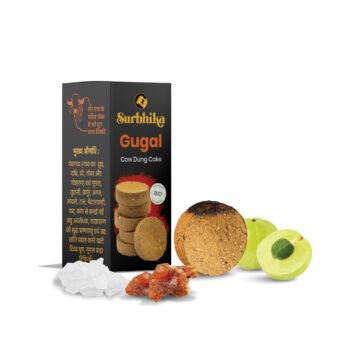
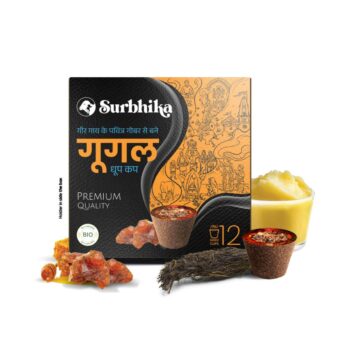
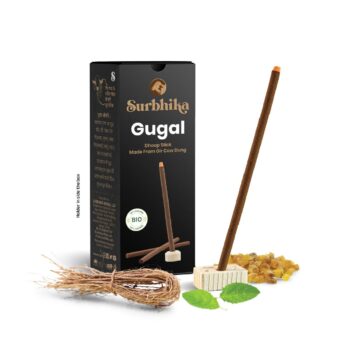
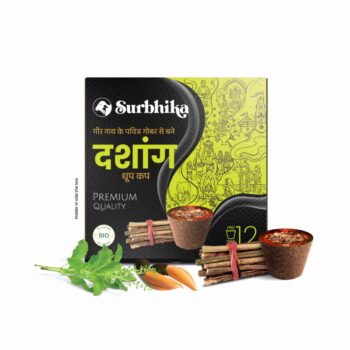
Surbhika Dhoop, often made from resins like guggul and sambrani, has been used in India for over 3,000 years, with archaeological and textual evidence confirming its role in Vedic havans and yajnas. The thick smoke of dhoop was believed to ward off negative energies, sanctify spaces, and act as a medium to carry prayers to the divine. Dhoop such as Surbhika Dhoop smoke was considered medicinal, used to disinfect homes, balance doshas, and strengthen immunity during seasonal transitions.
- Agarbatti (Incense Sticks)
Agarbatti emerged as a more practical, everyday form of incense compared to dhoop. While dhoop required charcoal or embers, agarbatti offered a portable, cleaner-burning option for households and temples. It became integral to daily puja, meditation, and hospitality rituals, symbolizing respect and devotion. Agarbatti blends often included sandalwood, rose, and jasmine, linking fragrance to emotional and spiritual upliftment.
- Camphor (Kapoor)
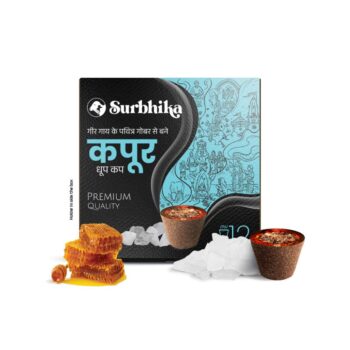
Camphor has been revered for its purifying flame—burning without residue, symbolizing the dissolution of ego and the offering of self to the divine. Widely used in aarti ceremonies, camphor’s especially Bheemseni Kapoor’s bright flame represents spiritual illumination and divine presence. Beyond ritual, camphor was valued for its antimicrobial properties, used in balms, fumigation, and seasonal wellness practices.
Ritual and Ecological Significance of Dhoop and Incense Such as Surbhika

All three—dhoop, agarbatti, and camphor—were believed to cleanse the environment, both spiritually and physically. Their use tied households to temples, festivals, and ancestral traditions, reinforcing cultural identity. Ancient practices emphasized natural resins, woods, and herbs, aligning ritual smoke with ecological responsibility
Surbhika’s Vision of preserving Cultural traditions
For Surbhika, these traditions offer a rich foundation to craft incense blends that are:
- Gentle and low-smoke for modern, family-friendly worship.
- Camphor-infused to honor Ayurvedic and ritual symbolism.
- Eco-conscious to revive the ancestral balance between purification and environmental care.
Celebrating Hanuman Jayanti with Conscious Choices
Hanuman Jayanti is more than a festival—it is a reminder of devotion, strength, and humility. As families gather to honor Lord Hanuman, every ritual becomes an opportunity to align tradition with mindful living. Choosing incense consciously is one such act of devotion. The fragrance of dhoop, agarbatti, and camphor has always been central to puja, symbolizing purification and the offering of prayers. Yet today, conscious choices mean selecting incense that is safe, eco-friendly, and inclusive for all ages. Surbhika incense embodies this balance—crafted with natural ingredients, low-smoke blends, and camphor-infused purity, it honors both Ayurvedic wisdom and modern wellness needs. By lighting Surbhika incense during Hanuman Jayanti, devotees not only sanctify their homes but also contribute to ecological responsibility and swadeshi values. The rising smoke becomes a metaphor for collective progress—carrying prayers upward while leaving behind no harm to the environment. In celebrating Hanuman Jayanti with conscious choices, we reaffirm that devotion is not only about ritual but also about responsibility: to family, community, and nature. Surbhika incense thus transforms a sacred tradition into a sustainable offering, bridging the timeless virtues of Hanuman with the mindful practices of today.
Surbhika Incense as a Tribute to Hanuman’s Virtues
Hanuman Jayanti is a celebration of devotion, courage, and humility—the timeless virtues embodied by Lord Hanuman. In this sacred context, incense becomes more than fragrance; it transforms into a symbolic offering that mirrors Hanuman’s qualities. The rising smoke of dhoop and agarbatti represents purity and surrender, echoing Hanuman’s selfless service to Lord Rama. Camphor, with its bright flame that leaves no residue, reflects the dissolution of ego and the illumination of truth, virtues that Hanuman lived by. Lighting incense during Hanuman Jayanti is thus not only a ritual act but also a tribute to Hanuman’s unwavering strength, his fearless protection of dharma, and his boundless devotion. Surbhika incense, crafted with natural ingredients and eco-conscious blends, deepens this connection by ensuring that the offering remains pure, safe, and inclusive for all ages. Each stick or cone becomes a fragrant reminder of Hanuman’s humility and power, sanctifying homes while inspiring inner discipline and courage. In honoring Hanuman with incense, devotees reaffirm that true worship lies in embodying his virtues—strength without pride, devotion without expectation, and purity without compromise. Surbhika incense carries this tribute forward, bridging tradition with mindful celebration.
Practical guidance on incorporating incense into puja, meditation, and collective celebrations.
Incense has always been a bridge between the physical and the spiritual, and using it thoughtfully can elevate every aspect of Hanuman Jayanti or daily devotion. Here’s how you can weave it into different practices:
During Puja
- Light dhoop or agarbatti at the beginning of the ritual to purify the space and invite divine presence.
- Place incense near the deity as an offering, symbolizing surrender and devotion.
- Use camphor in aarti, its smokeless flame representing the dissolution of ego and illumination of truth.
- Choose gentle, low-smoke incense to avoid distraction and create a calm atmosphere.
- Fragrances like sandalwood or camphor help focus the mind, deepen breath, and anchor attention.
- Let the rising smoke serve as a visual metaphor for thoughts dissolving into stillness.
In Collective Celebrations
- Use Surbhika incense to sanctify community spaces before bhajans or group prayers.
- Opt for eco-conscious blends so gatherings remain inclusive, safe for children and elders.
- Coordinate incense lighting with chants or hymns, creating a shared sensory rhythm that unites participants.
Surbhika Incense: Carrying Prayers, Preserving Tradition
As the flames of devotion rise on Hanuman Jayanti, incense becomes a timeless companion to prayer—its fragrance sanctifying homes, its smoke carrying heartfelt offerings to the divine. Surbhika incense honors this sacred continuity, blending ancient Ayurvedic wisdom with modern eco-consciousness. Each stick and cone is crafted to be gentle, pure, and inclusive, ensuring that devotion remains safe for children, elders, and the environment alike. In choosing Surbhika, devotees not only preserve tradition but also embrace mindful progress, where every breath of fragrance is both a tribute to Hanuman’s virtues and a pledge to protect the world we share.
You May also like these articles…
- 7 Ways To Remove Negative Energy From Home With Natural Dhoops Incense
- How To Remove Vastu Dosh – Grah Dosha Nivaran With Navgrah Chhana Tikki Dhoop
- · How To Remove Vastu Dosh – Grah Dosha Nivaran With Navgrah Chhana Tikki Dhoop
- · Remove Vastu Dosh : Remedies With Pure Gugal Dhoopam – The Spiritual Power Of Gugal Chhana Tikki
- · Why Every Indian Home Needs Chhana Tikki Incense: Boosting Positivity And Removing Negative Energy
 Gugal Dhoop Chhana Tikki ₹75.00
- Guggal Sambrani Dhoop Cup ₹165.00
- Navgrah Dhoop Chhana Tikki ₹75.00
- Dashang Sambrani Dhoop Cup ₹165.00
- Kapur Sambrani Dhoop Cup ₹165.00
- Sacred Pyramid Triangle Dhoop ₹245.00