

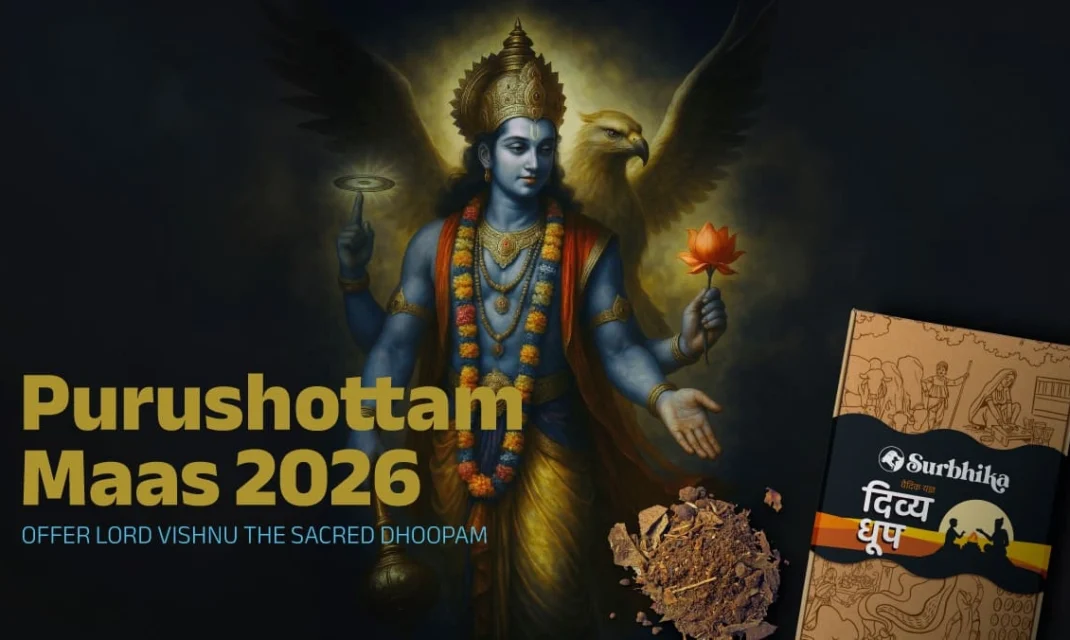
What is Purushottam Maas? A Sacred Month Explained Simply
Purushottam Maas, also known as Adhik Maas, is a sacred extra month in the Hindu lunar calendar that appears roughly every three years. Dedicated to Lord Vishnu, it is considered a powerful time for devotion, fasting, and spiritual purification, with rituals performed during this period believed to yield multiplied benefits. Adhika Maas appears approximately every 32 months and 16 days. In 2026, it will be observed from May 17 to June 15. Initially considered inauspicious, this month was sanctified when Lord Vishnu accepted it as his own, naming it Purushottam Maas. It is believed to cleanse past karmas and strengthen inner discipline if one takes to Spiritual pursuits. The vedic text reveal that religious deeds performed during this month are said to yield ten times more merit than in other months. Purushottam Maas embodies the Vedic principle of balance between cosmic cycles and the human pursuit of dharma. It is a reminder that when worldly rhythms falter, divine order restores harmony. By dedicating this month to Lord Vishnu, devotees reaffirm the values of purity, devotion, and self-discipline, making it a cornerstone of spiritual renewal in Hindu culture.
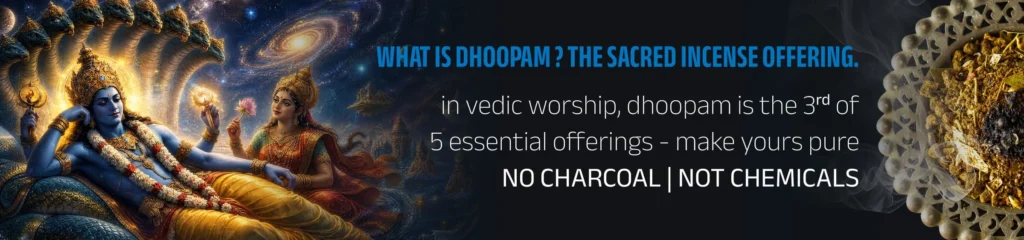
Daily Pooja Rituals During Purushottam Maas: A Step-by-Step Guide
Daily pooja in Purushottam Maas is not about grandeur but about simplicity, devotion, and discipline. Each step—purification, chanting, offering, meditation, and charity—helps devotees align with dharma, cleanse karmas, and draw closer to Lord Vishnu’s grace. Here’s a step-by-step guide for performing daily pooja rituals during Purushottam Maas
- Purification: Begin at dawn with a bath, symbolizing inner and outer cleansing. Wear clean, simple clothes, preferably white or yellow, to align with purity and sattva guna.
- Sacred Space Preparation: Clean the altar and light a charcoal-free herbal dhoop or ghee lamp. Fragrances like sandalwood, rose, or gugal sanctify the environment, inviting divine vibrations.
- Sankalpa (Intention): Sit calmly, fold hands, and declare your sankalpa—dedicating the day’s worship to Lord Vishnu during Purushottam Maas. This conscious vow strengthens spiritual discipline.
- Invocation: Chant “Om Namo Bhagavate Vasudevaya” or Vishnu Sahasranama. Recite verses from the Bhagavad Gita or Bhagavata Purana, as scriptures read in this month yield multiplied merit.
- Offerings: Present flowers, tulsi leaves, fruits, and homemade satvik food. Avoid onion, garlic, and tamasic items. Offer water and milk, symbolizing purity and nourishment.
- Aarti & Bhajans: Perform aarti with a ghee lamp with offering natural herbal Surbhika Dhoop, ringing a bell to dispel negativity. Sing bhajans or kirtan, immersing the mind in devotion and collective energy.
- Meditation & Japa: Sit in silence, focusing on Vishnu’s form. Chant mantras on a tulsi mala, aiming for 108 repetitions. This deepens concentration and cleanses karmic impressions.
- Charity & Seva: Conclude by offering food to the needy, feeding cows, or donating essentials. Acts of seva during Purushottam Maas are believed to bring tenfold blessings.
- Evening Ritual: At sunset, light a lamp again and light pure herbal Surbhika Agarbatti, chant Vishnu mantras, and read a small passage from scriptures. End with gratitude, surrendering the day’s actions to the divine.
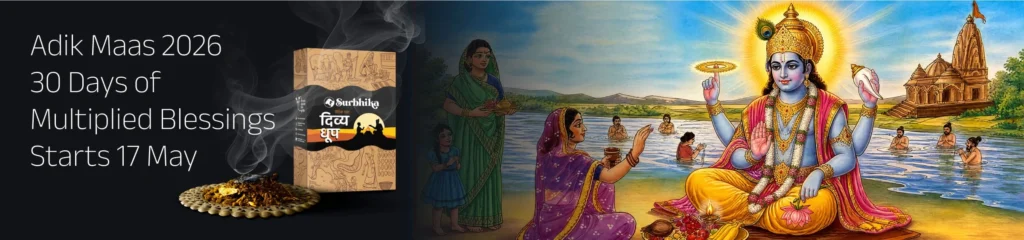
Why Incense (Dhoopam) is Non-Negotiable in Purushottam Maas Pooja
In Vedic Hindu culture, dhoopam (incense) is not a mere accessory to worship—it is the very breath of ritual sanctity, especially during the sacred Purushottam Maas. This month, dedicated to Lord Vishnu, emphasizes purification, devotion, and karmic cleansing. Lighting dhoopam transforms the atmosphere into a sanctified space where divine energies can be invoked. The fragrant smoke symbolizes prayers rising to the heavens, carrying the devotee’s intentions beyond the material realm. Ayurvedic blends of gugal, sandalwood, and camphor not only purify the air but also soothe the mind, aligning the worshipper with sattvic vibrations essential for spiritual discipline.
Purushottam Maas is believed to multiply the merit of every act of devotion, and incense amplifies this effect by harmonizing the senses, focusing the mind, and dispelling negativity. Without dhoopam, the ritual remains incomplete, as the sacred fire and smoke are considered vehicles of communication between humans and the divine. Moreover, scriptures highlight that Vishnu himself sanctified this month, and offering dhoopam from Surbhika is a way of honoring his presence. Thus, incense is non-negotiable—it is the bridge between earthly devotion and cosmic grace, ensuring that every mantra, offering, and meditation during Purushottam Maas resonates with purity, continuity, and divine acceptance.
Surbhika's Charcoal-Free Agarbatti: Why It's the Ideal Purushottam Maas Companion
Purushottam Maas, revered as the most sacred month in the Hindu calendar, is a time when devotees intensify their prayers, meditation, and offerings to seek divine blessings. In this holy period, purity and ecological harmony become essential in every ritual. Surbhika’s charcoal-free agarbatti embodies this spirit perfectly. Unlike conventional sticks that release heavy smoke and harmful residues, Surbhika’s blends are crafted with herbal bases and Ayurvedic fragrances like sandalwood, rose, camphor, and gugal. These ingredients not only sanctify the atmosphere but also resonate with the therapeutic and spiritual essence of Purushottam Maas.
By choosing Surbhika’s eco-conscious incense, families ensure that their worship remains gentle, safe, and inclusive—ideal for children, elders, and sensitive individuals. The low-smoke purity of these agarbattis symbolizes clarity of mind and devotion, allowing prayers to rise untainted, much like the sacred flame of a diya. Moreover, their bambooless design reflects ecological responsibility, aligning with the dharmic principle of balance between humanity and nature.
Thus, Surbhika’s charcoal-free agarbatti is not just a fragrance—it is a bridge between tradition and wellness, making every offering in Purushottam Maas a step toward spiritual elevation and ecological harmony.
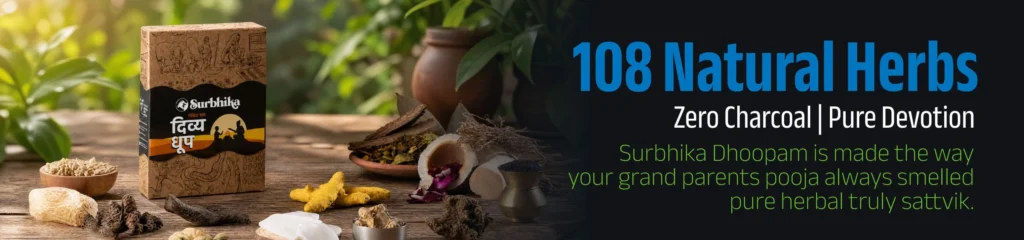
Surbhika’s 100% charcoal-free, chemical-free agarbatti is a sacred offering crafted with purity and devotion, making it ideal for spiritual practices. Each stick is made from Gir Cow Panchgavya and 108 natural herbs, blending ecological responsibility with scriptural authenticity. Panchgavya—comprising milk, curd, ghee, gomutra, and gomaya—holds profound significance in Hindu scriptures, where it is revered as a divine purifier and healer, sanctifying both the devotee and the environment. By infusing this ancient wisdom into incense, Surbhika ensures that every ritual resonates with the essence of dharma and cosmic harmony. The inclusion of 108 herbs symbolizes completeness and spiritual wholeness, aligning worship with the eternal cycle of nature. Unlike conventional incense, Surbhika’s blends release gentle fragrance without harmful smoke, making them safe for children, elders, and sensitive individuals.
Purushottam Maas Dos and Don’ts
Purushottam Maas, also known as Adhik Maas, is a sacred month dedicated to deep devotion, charity, and spiritual upliftment. Observing it with purity ensures blessings and inner harmony.
Dos
- Perform daily puja, japa, and meditation with sincerity.
- Read and recite Bhagavad Gita, Vishnu Sahasranama, and Purushottam Katha.
- Offer satvik food, cow seva, and charity to the needy.
- Use natural, charcoal-free incense such as from Surbhika to sanctify the atmosphere.
- Maintain discipline, humility, and ecological responsibility in rituals.
Don’ts
- Avoid anger, gossip, and indulgence in material excess.
- Do not use synthetic or charcoal-based incense that pollutes the air.
- Refrain from non-vegetarian food, alcohol, and harmful habits.
- Do not neglect daily prayers and scriptural study.
Best Surbhika Products for Purushottam Maas
- Dashang Sambrani Dhoop Cup – crafted from ten Ayurvedic herbs, ideal for daily puja.
- Gir Cow Panchgavya Agarbatti – 100% charcoal-free, chemical-free, with 108 herbs.
- Sambrani Dhoop Cup – purifies the home, symbolizing sacred fire offerings.
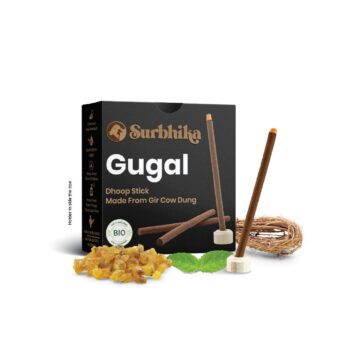
- Gau Guggal Agarbatti – eco-conscious blend with therapeutic fragrance.
With Surbhika’s pure incense, every offering in Purushottam Maas becomes a step toward spiritual elevation, ecological balance, and scriptural authenticity. Shop Now

FAQ's Purushottam Maas 2026 Pooja
Q) When is Purushottam Maas / Adhik Maas in 2026?
A) Purushottam Maas (Adhik Maas) in 2026 will be observed from May 17, 2026 (Sunday) to June 15, 2026 (Monday).
Q) What is the significance of burning incense during Adhik Maas?
A) Burning incense during Adhik Maas (Purushottam Maas) is seen as a way to purify the atmosphere and uplift devotion, allowing prayers to rise with clarity and sincerity. The fragrance symbolizes offering one’s inner virtues to Lord Vishnu, enhancing meditation, charity, and scriptural recitation during this sacred month.
Q) Why should I use charcoal-free agarbatti for Vishnu pooja?
A) Using charcoal-free agarbatti for Vishnu pooja ensures that your worship remains pure, safe, and aligned with dharmic principles. Unlike charcoal-based sticks that release heavy smoke and harmful residues, Surbhika’s herbal blends burn cleanly, allowing prayers to rise without pollution, symbolizing clarity and sincerity in devotion to Lord Vishnu.
Q) What activities are recommended during Adhik Maas / Purushottam Maas?
A) During Adhik Maas (Purushottam Maas), devotees are encouraged to focus on spiritual practices like daily puja at home, japa (chanting), reading scriptures, fasting, and charity, while worldly activities such as marriages, housewarmings, and new ventures are traditionally avoided.
