

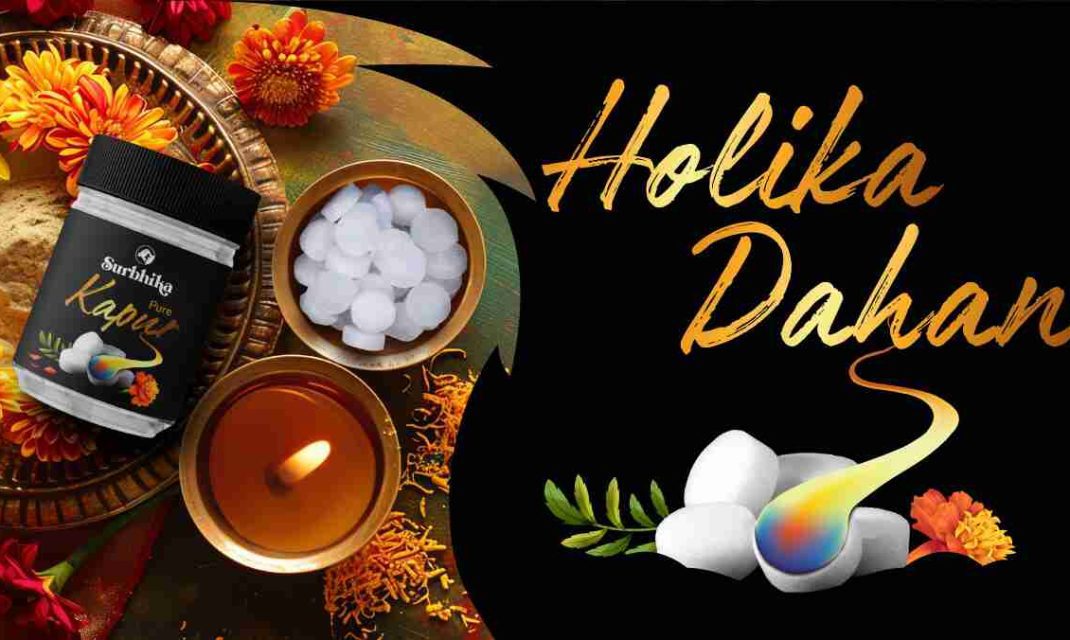
Discovering the Multifaceted and vibrant Splendor of Holi

Holi, the vibrant festival of colors, transcends mere celebration to embody a rich tapestry of India’s cultural heritage and spiritual wisdom. Beyond the joyful chaos of color-smeared faces and rhythmic drumbeats lies a festival deeply rooted in ancient mythology, offering profound insights into social harmony, economic prosperity, and even holistic well-being. Holi has multidimensional significance—from its historical origins in Hindu scriptures to its modern economic impact, from its role in breaking social hierarchies to its surprising health benefits making it significant not just a festival but a philosophical approach to life that celebrates renewal, forgiveness, and community. Holi’s comprehensive significance offers valuable lessons in living with joy, inclusivity, and mindfulness that resonate far beyond the colorful spring festivities.
The Purifying Power of Holika Dahan - Ancient Wisdom with Modern Relevance
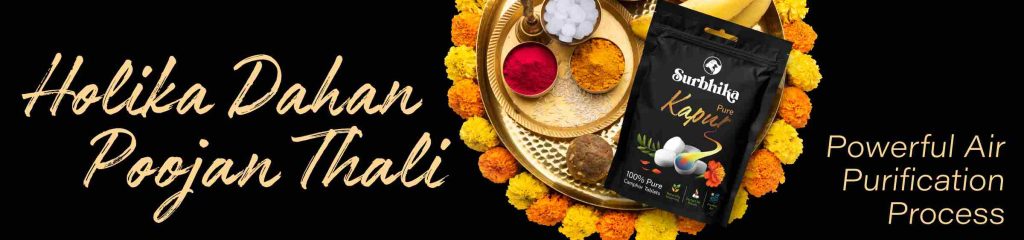
As spring emerges, the ancient tradition of Holika Dahan illuminates our communities with more than just festive bonfires—it carries centuries of wisdom about natural purification and wellness. This sacred ritual, where cow dung cakes, neem leaves, camphor, and medicinal herbs are ceremoniously burned, serves as a remarkable form of mass fumigation that our ancestors ingeniously designed to cleanse both spaces and spirits. In today’s world, where we’re increasingly returning to natural solutions, the scientific principles behind this practice reveal how our forebears understood environmental disinfection long before modern science confirmed it. Holika Dahan, offer surprisingly relevant insights for contemporary health and wellbeing.
The Ingredients of Purification during Holika Dahan:
- Cow Dung: Antiseptic and a potent disinfectant properties of Cow dung neutralizes harmful pathogens in surrounding air, thus taking care of air borne health issues.
- Camphor: This powerful disinfectant and insect repellent, aids in bringing respiratory relief and is thus a boon for those suffering from allergies and seasonal respiratory issues.
- Neem Leaves (Neem Patta): The widely known properties of Neem such as it being Antiviral, antibacterial, and antifungal properties cleanses the surrounding air of all types of germs and pathogens.
- Guggul (Gugal): This traditonal Aromatic resin has been used for purification since centuries for atmospheric cleansing and relaxation.
- Sandalwood (Chandan): Calming and antiseptic properties of Chandan lifts the spirits and brings shift in consciousness. Its soothing frangrance relaxes the mind and the body making one feel happy and enthusiastic.
- Forest Herbs: Various medicinal plants with herbal medicinal properties have significant impact on mood, mind and body during ritualist bonefire.
Holika Dahan: Beyond Physical Health

As the vibrant flames of Holika Dahan rise against the twilight sky, they symbolize far more than just an ancient ritual—they represent our innate human capacity for transformation and renewal. This sacred fire ceremony, celebrated on the eve of Holi, invites us to cast our inner demons, doubts, and negativities into the purifying flames, much as our ancestors have done for centuries. In today’s world, where mental well-being often takes a backseat to our physical health, Holika Dahan offers a timely reminder that true wellness encompasses the cleansing of our thoughts and emotions as well. The principles behind this powerful ritual—releasing what no longer serves us and making space for hope and positivity—provide wisdom that transcends cultural boundaries and speaks directly to our universal quest for inner peace and joy.
The Dichotomy of Holika Dahan in Modern times and New era

As the vibrant festival of Holika Dahan approaches, we find ourselves at a cultural crossroads where ancient tradition meets contemporary environmental concerns. While this sacred ritual symbolizes the triumph of good over evil through purifying flames, today’s celebrations raise important questions about air quality and public health in our increasingly polluted urban centers. The crackling bonfires that once served as natural purifiers now contribute to respiratory challenges for many, particularly in densely populated areas where air quality is already compromised. Yet, understanding the deeper significance of this tradition might offer insights into how we can honor our cultural heritage while adapting practices to protect both our environment and well-being—a balance that affects every Indian family navigating the preservation of tradition in a rapidly changing world.
